


Its strategic location, excellent climatic conditions, natural resources, energy and industrial expertise, and talent and knowledge management have facilitated the attraction of investments and the implementation of several green energy projects, placing Huelva in a privileged global position in the marathon of the energy transition toward decarbonization.
This was one of the main conclusions drawn from the celebration of the 5th Sectorial Conference on Hydrogen, which, organized by the Gabitel Chair on Hydrogen and under the title ‘ . ś’, addressed in a practical manner its multiple industrial applications and those of its derivatives as synthetic fuels replacing fossil fuels.
The decarbonization of industry is one of the great international challenges and one of the European Union’s cross-cutting commitments in sustainability to curb climate change by reducing greenhouse gas emissions.
A process in which all industrial sectors are already involved, and in which green hydrogen emerges as one of its great allies due to its multiple industrial applications and those of its derivatives, both as a raw material in production processes and as a fuel for transportation.
In this regard, Javier Salgado (Green Hydrogen Manager at Renewco Power) emphasized that the global commitment to green hydrogen “is already a reality” and highlighted the keys that, in his opinion, must be in place for an optimal development of this so-called green revolution.
“There must be a balance between the cost of green fuels and society, seek competitiveness and improve equipment efficiency, have a clear and defined regulatory framework across the entire chain, including certifications, ensure social acceptance, as well as investment in infrastructure and training and knowledge,” said Salgado, for whom, in this context, Spain’s great potential “lies in its abundant solar and wind energy resources, the government’s commitment, and its experience in renewables,” among others.
Meanwhile, José Ignacio Nonay (Commercial Structuring Hydrogen and Clean Power at Cepsa) revealed the Spanish multinational’s decarbonization plans, which foresee an investment of €7 billion to reduce its emissions by up to 55 % by 2030 and achieve net zero emissions by 2050.
“Our goal is for traditional production processes to be decarbonized but also end-user usage. In this regard, the production of synthetic fuels through green hydrogen is the core of Cepsa’s comprehensive project, committed to the obligation of decarbonizing maritime and aviation traffic from fuel to green ammonia and methanol,” highlighted Nonay, who underlined the leading role that both the hydrogen electrolysis plant in Huelva and the one in Algeciras will play in the conversion from gray to green hydrogen.
To meet this demand, it has bet on the so-called H2 Ring, a comprehensive project aimed “to always have green hydrogen available, without stopping,” in which the industrial-use plant in Huelva (400 + 600 MW), focused on the production of green methanol, which will be operational in 2026, and the one in Algeciras, focused on ammonia production (2028), will play a very important role.
In this regard, he highlighted the agreement signed between the ports of Algeciras, Huelva, and Rotterdam, Europe’s main port and a supply hub, since it will channel green hydrogen from the south to meet Central Europe’s high consumption demand.
Likewise, the manager of the Association of Chemical, Basic, and Energy Industries of Huelva (Aiqbe), Rafael Romero, highlighted the weight of the associated companies in Huelva’s port traffic (85 %) as well as in Huelva’s GDP, which accounts for 20 %, but stressed that there is still work to be done on social acceptance to commit to the opportunity represented by its bet on green hydrogen for the province.

“There must be a social license, of acceptance, because everyone agrees in principle but then tells you ‘not here,’ and we cannot allow that to happen with green hydrogen. Huelva is Spain’s most important industrial hub, it has many advantages and will be fundamental in the green revolution,” stressed Rafael Romero, who concluded that “the future is being invented in Huelva, and we must be aware that we cannot miss this opportunity,” while highlighting the importance of investment in training and knowledge that the University of Huelva and the administrations are making to guarantee the talent of the future.
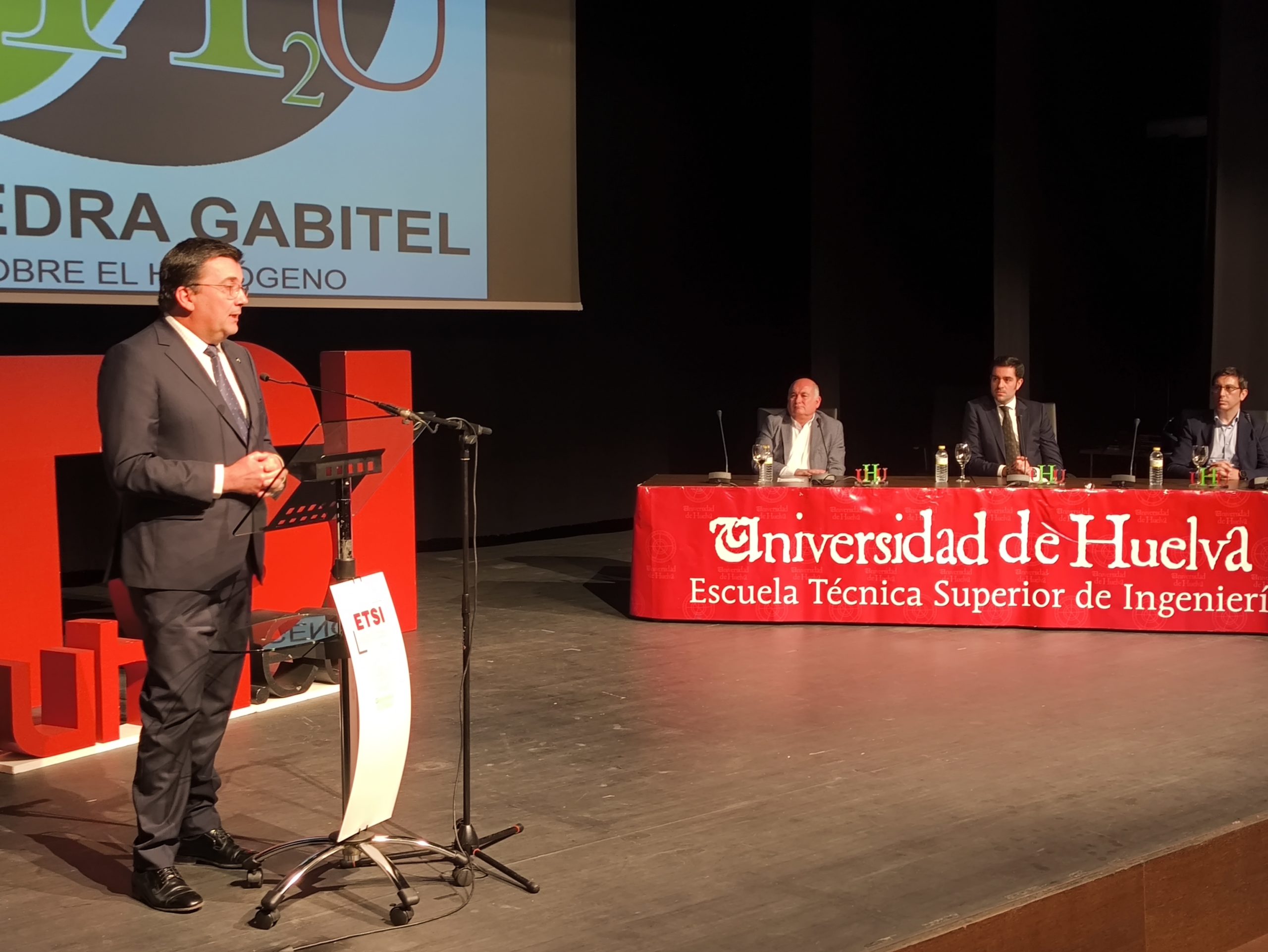
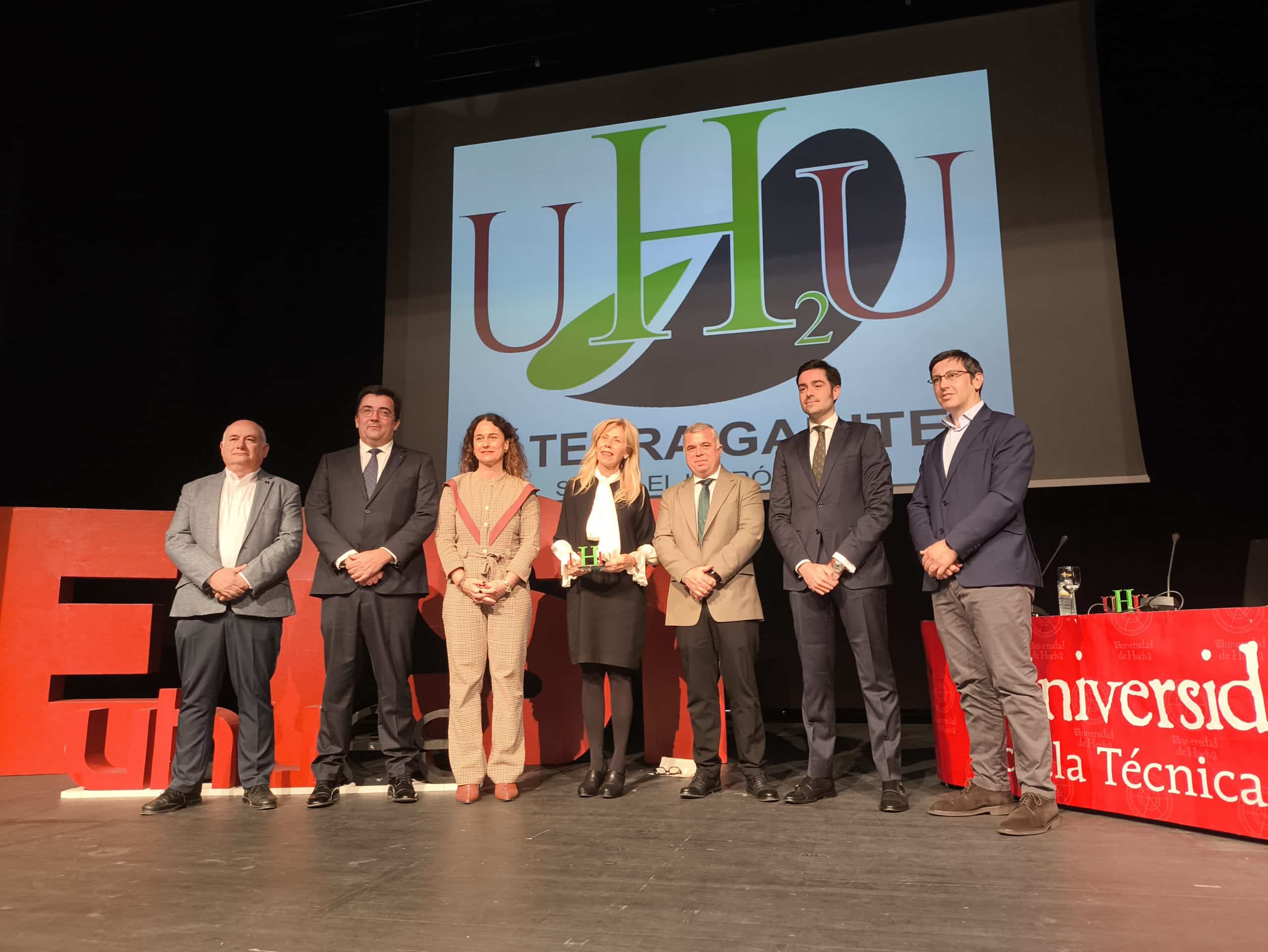
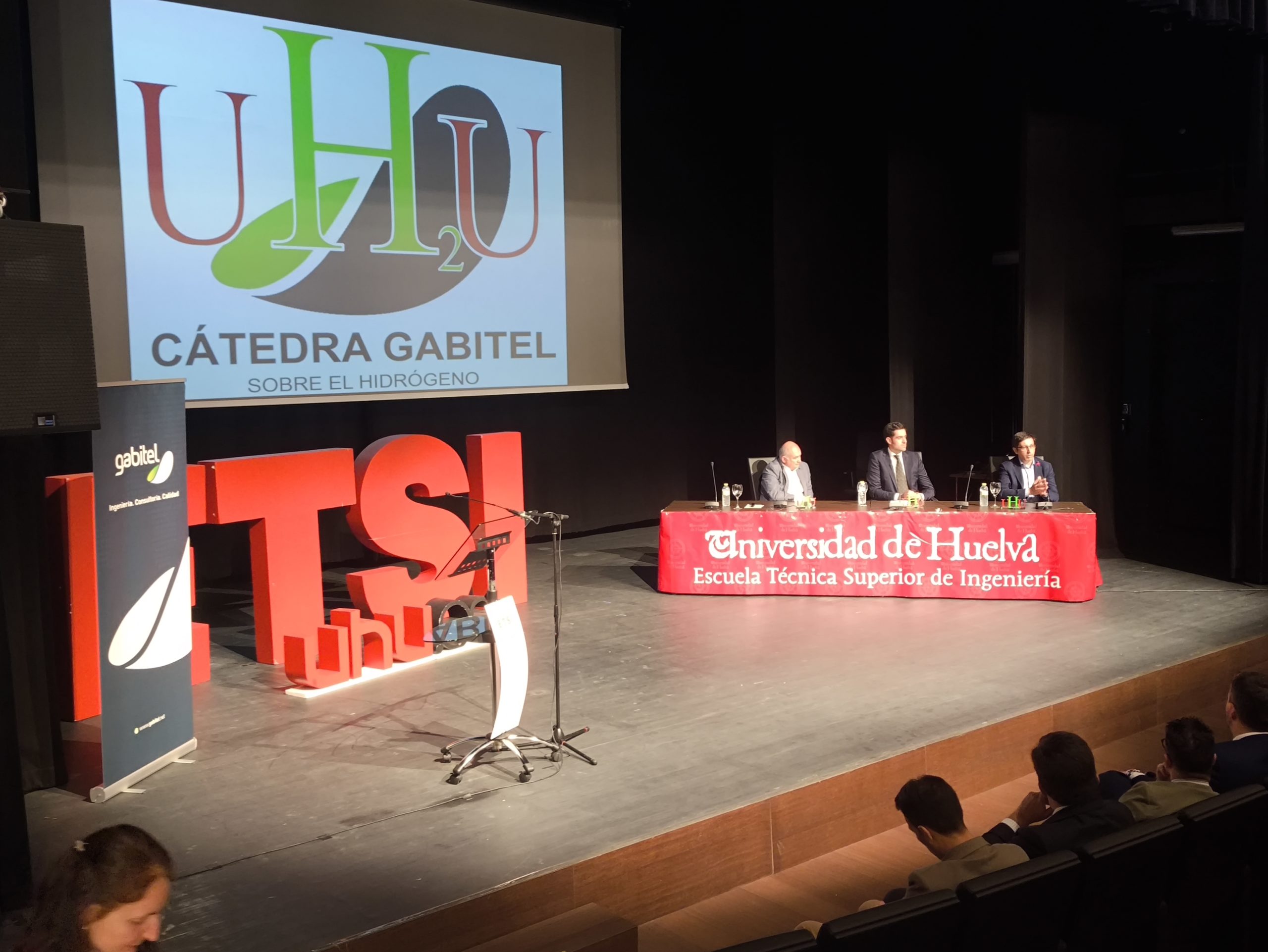
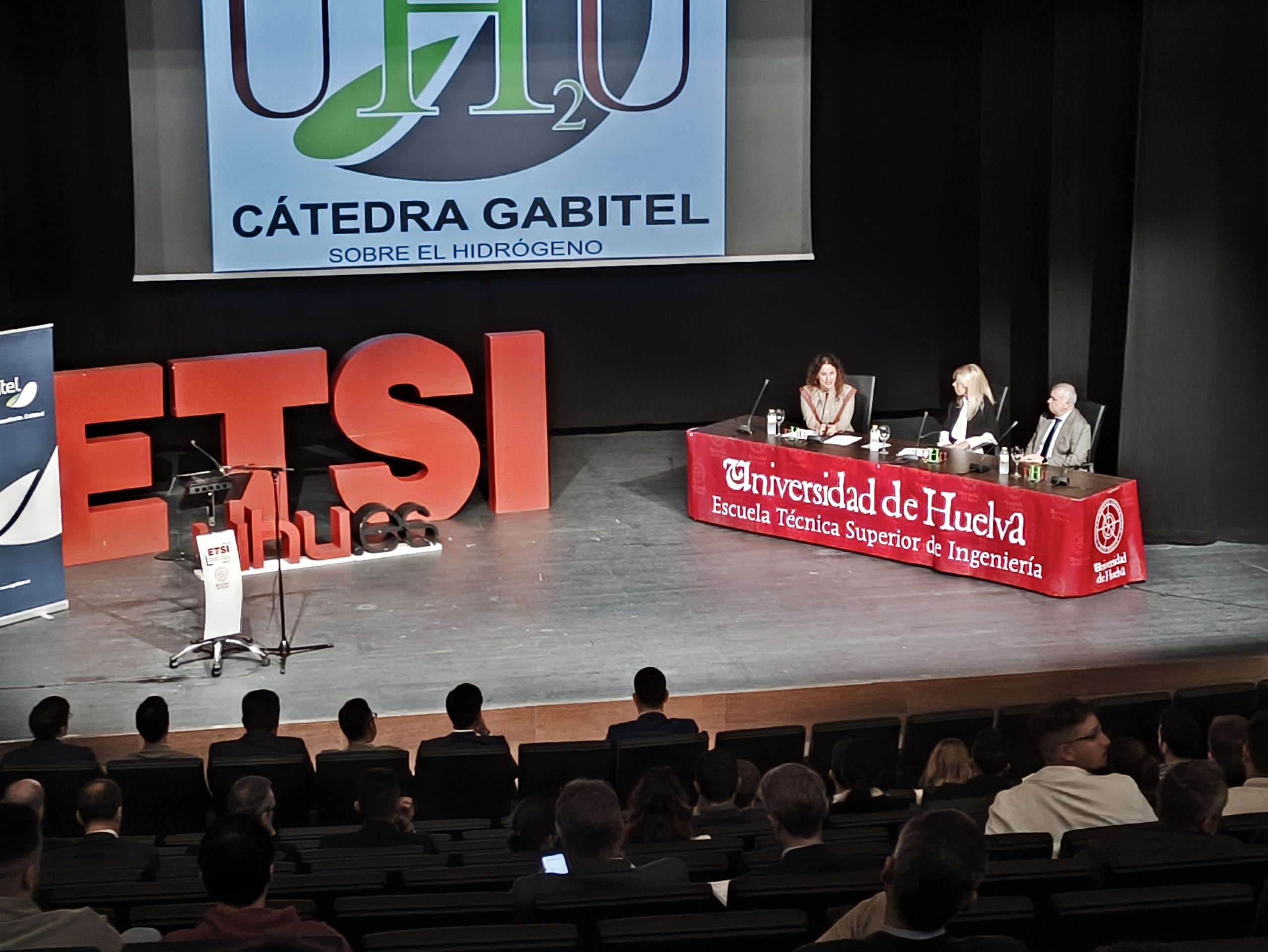
The conference, which was inaugurated by the Government Sub-delegate in Huelva, María José Rico; the third deputy mayor for Employment, Housing, Economic Development, and European Funds of the City Council of Huelva, Adela de Mora; and the director of the Higher Technical School of Engineering (ETSI) of the University of Huelva, Salvador Pérez Litrán, was presented and guided by Paqui Segura, director of the Chair, and closed by Gabitel’s Managing Director, Juan Andrés Reales, who thanked the speakers and attendees for contributing to consolidating the Sectorial Conference on Hydrogen as a key forum in promoting green hydrogen.