

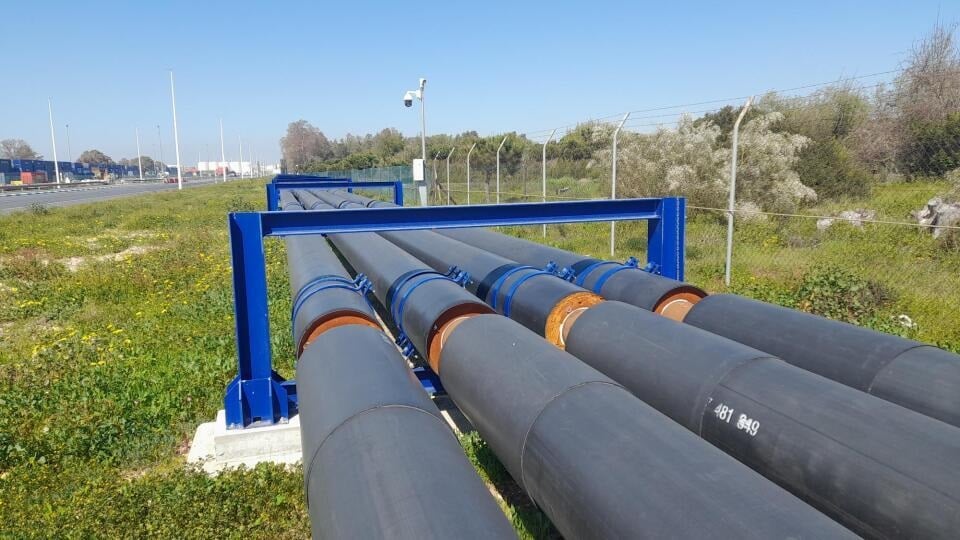
The German energy transition is not limited to the electricity system. Heat represents one of the country’s biggest structural challenges and, in this context, district heating (Fernwärme) is emerging as a critical infrastructure for achieving climate neutrality by 2045. With current penetration close to 15 percent of households and a political target exceeding 30 percent over the coming decades, the development of urban heating networks has become a national priority, backed by stable public funding and mandatory municipal heat planning.
This is not a short-term trend, but a structural, regulated market with long-term guaranteed investment.
Expansion, decarbonization and technical complexity
The expansion of new networks in medium-sized cities and the extension of existing infrastructure are progressing in parallel with the transformation of the energy mix. Germany is moving away from gas and coal towards biomass, deep geothermal energy, industrial heat pumps, waste heat recovery and Power-to-Heat solutions.
This process is turning Fernwärme into a hybrid energy infrastructure in which thermal networks, electrical integration and digital control systems converge.
However, deployment in dense urban environments involves significant technical and regulatory complexity. Coordination with municipalities and Stadtwerke, construction permit management, environmental supervision, integration with electrical grids and detailed hydraulic planning are all factors that require structured methodologies and proven experience in the management of linear infrastructure.
A natural extension of our capabilities
In this context, the opportunity for Gabitel does not represent a radical diversification, but rather a coherent evolution of our capabilities in network engineering and technical management in public spaces.
Our experience in:
Design and planning of linear networks
Multi-stakeholder coordination and urban construction management
BIM modeling and GIS management
Technical project control and CAPEX monitoring
QA, technical auditing and document control
fits naturally with the needs of the Fernwärme market in Germany.
In addition, the growing electrification of thermal systems opens up a strategic space at the electrical interface of the system, especially in projects involving large-scale heat pumps, substations or renewable infrastructure. Here, the combination of energy expertise and experience in regulated infrastructure provides clear added value.
Thermal infrastructure as a territorial driver
The development of urban thermal networks is not only a technical matter. It is also a tool for territorial competitiveness, emissions reduction and energy stability for municipalities and regions.
For municipal utilities, infrastructure funds and energy operators, the challenge is not only to build networks, but to do so with technical rigor, documentary traceability and financial control. In this environment, engineering becomes the element that ensures strategic planning is translated into efficient, sustainable and long-term viable infrastructure.
Germany’s thermal transformation is moving forward with determination. Taking part in it means contributing to the consolidation of more resilient cities and to a more integrated and decarbonized energy model.
No hablamos de una tendencia coyuntural, sino de un mercado estructural, regulado y con inversión garantizada a largo plazo.
Expansión, descarbonización y complejidad técnica
La expansión de nuevas redes en ciudades medianas y la ampliación de infraestructuras existentes avanzan en paralelo a la transformación del mix energético. Alemania está migrando desde gas y carbón hacia biomasa, geotermia profunda, bombas de calor industriales, recuperación de calor residual y soluciones Power to Heat.
Este proceso convierte a la Fernwärme en una infraestructura energéticamente híbrida, donde convergen redes térmicas, integración eléctrica y sistemas digitales de control.
Sin embargo, el despliegue en entornos urbanos densos implica una elevada complejidad técnica y regulatoria. Coordinación con ayuntamientos y Stadtwerke, gestión de permisos de obra, supervisión ambiental, integración con redes eléctricas y planificación hidráulica detallada son factores que exigen metodologías estructuradas y experiencia en gestión de infraestructuras lineales.
Una extensión natural de nuestras capacidades
En este escenario, la oportunidad para Gabitel no supone una diversificación radical, sino una evolución coherente de nuestras capacidades en ingeniería de redes y gestión técnica en vía pública.
Nuestra experiencia en:
- Diseño y planificación de redes lineales
- Coordinación multi actor y gestión de obra urbana
- Modelado BIM y gestión GIS
- Control técnico de proyectos y seguimiento de CAPEX
- QA, auditoría técnica y control documental
encaja de forma natural con las necesidades del mercado de Fernwärme en Alemania.
Además, la creciente electrificación de los sistemas térmicos abre un espacio estratégico en la interfaz eléctrica del sistema, especialmente en proyectos que integran bombas de calor de gran escala, subestaciones o infraestructuras renovables. Aquí la combinación de conocimiento energético y experiencia en infraestructuras reguladas aporta un valor diferencial.
Infraestructuras térmicas como palanca territorial
El desarrollo de redes térmicas urbanas no es únicamente una cuestión técnica. Es una herramienta de competitividad territorial, reducción de emisiones y estabilidad energética para municipios y regiones.
Para utilities municipales, fondos de infraestructuras y operadores energéticos, el reto no es solo construir redes, sino hacerlo con rigor técnico, trazabilidad documental y control financiero. En este entorno, la ingeniería se convierte en el elemento que garantiza que la planificación estratégica se traduzca en infraestructuras eficientes, sostenibles y viables a largo plazo.
La transformación térmica alemana avanza con determinación. Participar en ella significa contribuir a la consolidación de ciudades más resilientes y a un modelo energético más integrado y descarbonizado.