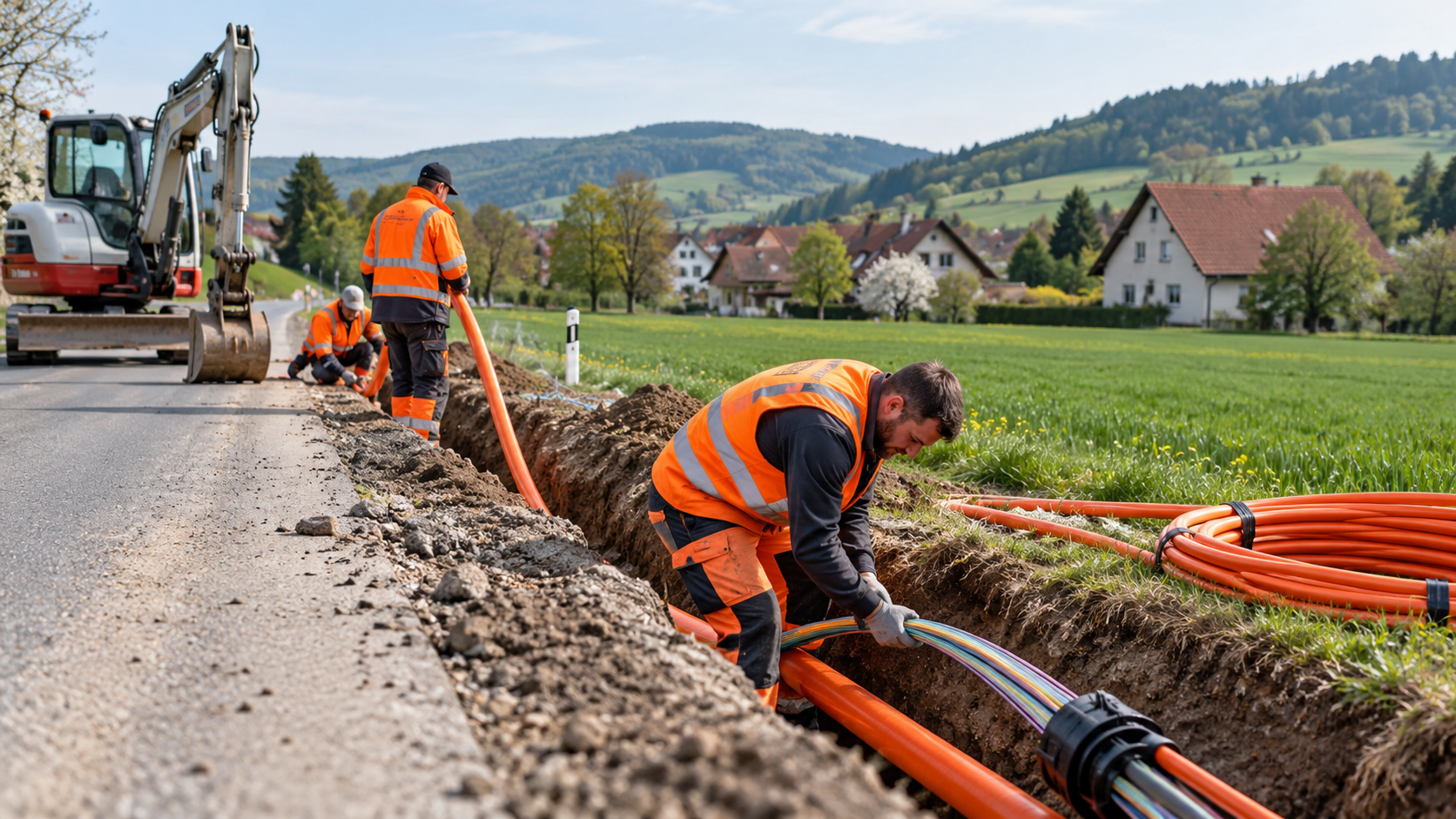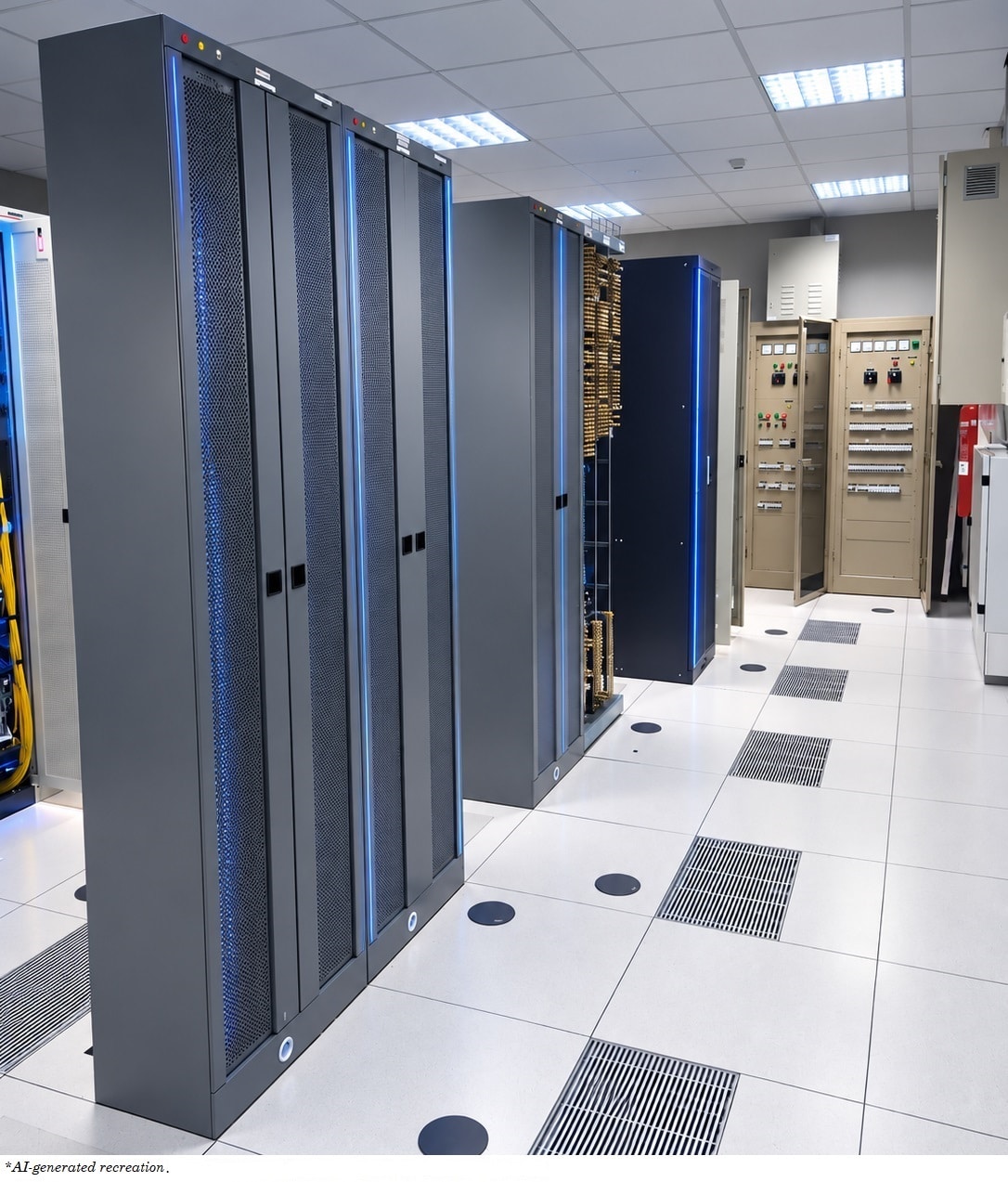


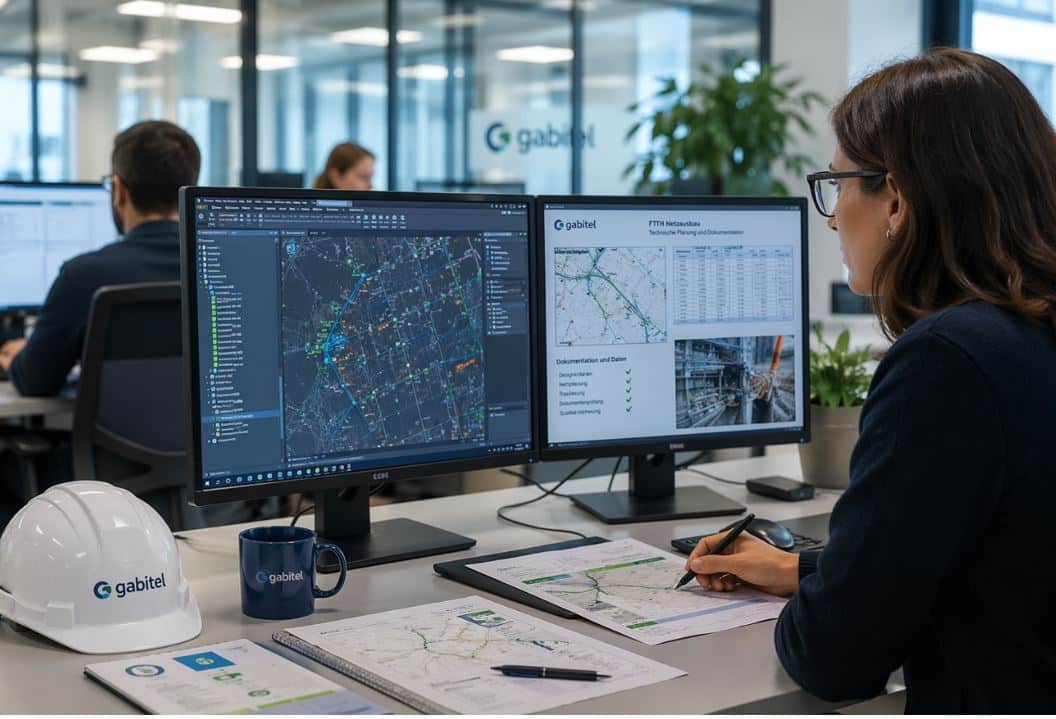
The deployment of FTTH networks in Germany does not depend solely on the ability to design efficient infrastructure. It also requires a high level of technical consistency, clear documentation and alignment with the specific requirements of each project. In this context, quality plays a decisive role as an element that strengthens overall reliability and helps each phase of the deployment progress more solidly.
In increasingly demanding telecommunications environments, quality should not be understood as an additional layer applied at the end of the work, but as a necessary condition for ensuring that network development remains coherent from the initial planning stage through to final delivery. When an FTTH project integrates homogeneous technical criteria, precise documentation and adequate traceability, it becomes easier to reduce incidents, anticipate deviations and facilitate coordination among all the stakeholders involved.
In the German market, where fibre optic projects must operate within complex regulatory and administrative frameworks, this requirement becomes even more relevant. The robustness of a deployment is not measured only by its scope or speed of execution, but also by its ability to be supported by technically consistent, understandable deliverables that are aligned with the needs of the client and the territory. Quality therefore acts as a guarantee of trust on which the development of long-lasting infrastructure is based.
One of the most important aspects of this type of project is the coherence between design, documentation and associated technical information. When all these elements follow the same criteria, the project gains clarity and execution capacity. This homogeneity is essential in FTTH deployments, where small inconsistencies can later be carried over into more advanced phases and generate rework, differing interpretations or operational inefficiencies. For this reason, technical and documentary consistency becomes a strategic value, not merely a formal requirement.
Traceability also plays a central role in projects of this nature. In an environment involving operators, engineering teams, public administrations and other technical stakeholders, having an organised documentary base and homogeneous criteria facilitates coordination and improves the ability to respond to changes or revisions. This approach not only provides greater security for the project, but also contributes to more efficient deployment management, especially in scenarios of high territorial or regulatory complexity.
Added to this is the importance of standardisation. In large-scale FTTH projects, homogeneity in deliverables helps reinforce the overall quality of the work and maintain a common logic throughout the entire deployment. Properly applied standardisation does not limit adaptation to each context; rather, it makes it possible to combine technical flexibility with operational consistency, something especially relevant in Germany, where local diversity coexists with high levels of technical and administrative demand.
Understood in this way, quality is directly linked to deployment reliability. A technically coherent project, supported by solid documentation and structured according to homogeneous criteria, is better prepared to move forward with fewer uncertainties and to deliver more robust long-term results. This approach also helps strengthen the trust of clients, partners and the entities involved, which is essential in the development of infrastructure designed to meet both current and future connectivity needs.
This operational excellence also reinforces the sustainability of the project. When an FTTH network is developed according to criteria of precision, coherence and reliability, unnecessary technical visits are reduced, material consumption is optimised and waste associated with corrections or rework in later phases is minimised. In this way, technical quality not only improves the solidity of the deployment, but also contributes to more efficient execution aligned with the principles of circular economy and energy efficiency promoted in Europe and particularly relevant in the German market.
At Gabitel, we understand that the progress of FTTH networks in Germany requires an integrated vision in which engineering, technical precision and project consistency advance in alignment. Quality is part of that vision. Not only as a working principle, but as a necessary condition for promoting more orderly, sustainable deployments prepared to respond to the challenges of the country’s digital transformation.